8 Signs & Symptoms of Kidney Stones
Kidney stones are hard deposits made of minerals and salts that form inside the kidneys. They can range from tiny crystal-like particles to large stones that occupy a major portion of the kidney.
Early diagnosis and timely treatment can prevent complications and severe pain.
Book Consultation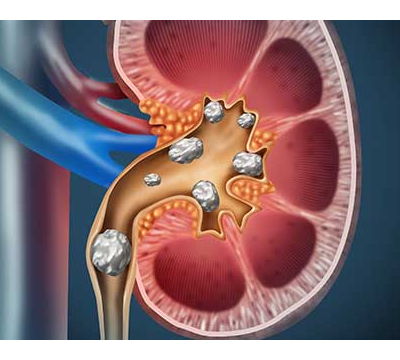
What Are Kidney Stones?
Kidney stones form when minerals in urine become highly concentrated and crystallize. Poor hydration, dietary habits, obesity, and certain medical conditions can increase the risk of stone formation.
Smaller stones may pass naturally through urine, while larger stones may require medical treatment or minimally invasive procedures.
Approximately 1 in 11 people may experience kidney stones during their lifetime, and recurrence is common if preventive measures are not followed.
Common Symptoms of Kidney Stones
Recognizing symptoms early can help avoid serious complications.
1. Pain in the Back, Side or Abdomen
Kidney stone pain (renal colic) is often severe and starts suddenly. It usually occurs when a stone moves into the ureter and blocks urine flow.
Pain may spread from the back to the lower abdomen and groin area, often occurring in waves.
2. Pain or Burning During Urination
When the stone reaches the lower urinary tract, urination may become painful or produce a burning sensation.
This symptom is often confused with a urinary tract infection (UTI).
3. Frequent or Urgent Urination
A stone near the bladder may create an urgent need to urinate, even when the bladder is not full.
Patients often feel the need to visit the washroom repeatedly throughout the day and night.
4. Blood in the Urine
Stones can irritate the urinary tract lining, causing blood to appear in the urine.
Urine may appear pink, red, or brown depending on the amount of blood present.
5. Cloudy or Foul-Smelling Urine
Cloudy urine or an unpleasant smell may indicate infection in the urinary tract, which can sometimes occur along with kidney stones.
Immediate medical attention is recommended if these symptoms persist.
6. Passing Small Amounts of Urine
Large stones may block urine flow, causing reduced urine output despite frequent attempts to urinate.
Complete blockage of urine flow is a medical emergency and requires immediate treatment.
7. Nausea and Vomiting
Severe kidney stone pain may trigger nausea and vomiting. This happens because the kidneys and digestive system share nerve pathways.
Persistent vomiting can lead to dehydration and should not be ignored.
8. Fever and Chills
Fever accompanied by kidney stone symptoms may indicate a serious urinary tract infection.
This condition requires urgent medical evaluation and treatment.